
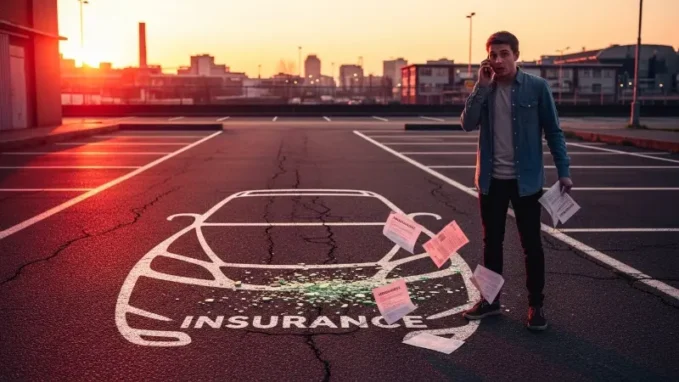
Does liability insurance cover theft? This question strikes especially hard when you walk out to see your car gone. You call your insurance company in the hope of good news. But if you are only carrying liability coverage, then get ready for disappointment. Your policy will not pay you a single dollar for your stolen vehicle.
This occurs to thousands of car owners every year all over America. They buy insurance in minimum required amount and assume complete protection exists. Then theft ensues and reality sets in quickly. It is better to know your gaps in coverage now to avoid being financially devastated in the future.
According to statistics on theft by the NHTSA, a car is stolen every 32 seconds in America. The average value of stolen vehicles is more than $8,000. Without adequate coverage, that whole loss comes directly down on you.
This ultimate guide tells you precisely why liability insurance doesn’t work for theft claims. You will learn what type of policy actually covers stolen vehicles. We explain deductibles, actual cash value calculation and the entire claims process. By the time you are done, you will know exactly how to protect your investment.
Understanding Liability Insurance and Its Purpose
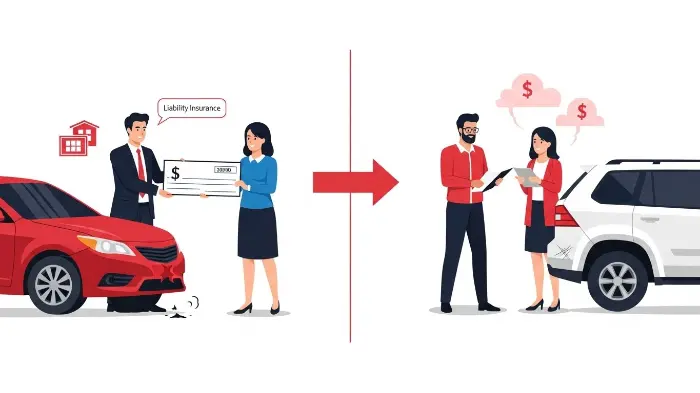
There is liability insurance for one specific reason only. It ensures other people from damages you cause. It never insures your own property or your vehicle. This basic difference confounds many drivers buying basic policies.
When you cause an accident, then liability pays the other driver’s bills. It covers their medical expenses and vehicle repairs absolutely. Your insurance company makes their claim on you promptly. However, on your own car the liability gets zero coverage.
Most states have liability insurance as the minimum insurance for drivers. This gives the false appearance of a comprehensive protection for policyholders. Many drivers assume minimum coverage means complete coverage unfortunately. The reality is very different when theft happens out of the blue.
How Liability Coverage Actually Works
Liability coverage is divided into two different types for protection. Bodily injury liability: Bodily injury liability pays for injuries that you inflict on other people. Property damage liability that will pay on property you accidentally damage. Neither category includes your own vehicle whatsoever.
Think of liability as the protection of everybody except yourself basically. If you hit some’s car, their repairs get paid quickly. If you hurt a pedestrian, his medical bills get paid. But your own losses are all your own personal responsibility.
Why Does Liability Insurance Cover Theft Get Asked So Often?
The question “does liability insurance cover theft” we see constantly in the searches. Car owners that are experiencing theft have a natural desire that their policy helps somehow. Unfortunately, for liability policyholders the answer is consistently negative. This confusion arises from how insurance gets marketed commonly.
Insurance agents tend to sell policies that focus heavily on the low monthly premiums. They are brief explanations of liability requirements and basic coverage structures. But they rarely outline even specifics of what gets excluded from protection. Theft protection requires more coverage, which costs more money on a monthly basis.
“I see theft claims denied daily because drivers misunderstand their policies completely. Liability insurance was never designed to cover your own property losses whatsoever.” — Michael Torres, Licensed Insurance Adjuster, 15 Years Experience
Many drivers learn this lesson after their vehicle is gone overnight. They make claims in the hope that they will receive payouts, which never follow. The frustration grows when they realize that good coverage need not cost very much. A few additional dollars a month might have saved complete financial loss.
The Only Coverage That Protects Against Theft
Comprehensive coverage is the type of auto policy which covers vehicle theft. This coverage covers the damage of your car from non-collision damage events entirely. Theft is included in all round protection with a number of other perils listed.
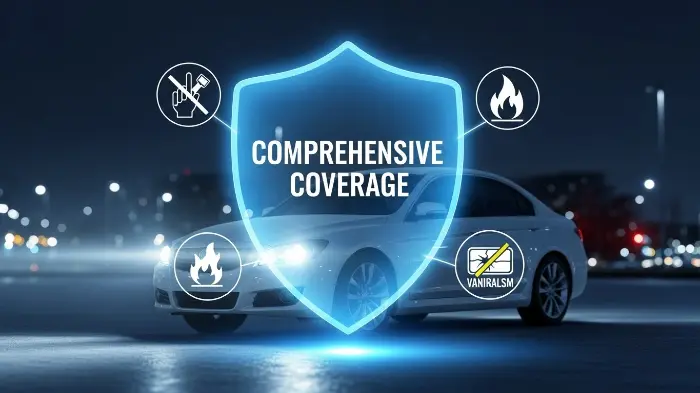
⚠️ What Comprehensive Coverage Protects Against:
- 🚗 Vehicle theft and stolen parts
- 🔨 Vandalism and malicious damage
- 🔥 Fire, flood, and natural disasters
- 🦌 Falling objects and animal collisions
- 💎 Broken glass and windshield damage
Without extensive coverage none of these events receive compensation from insurers. Does liability insurance cover theft claims? Never. You have to add comprehensive to your policy specifically. This extra coverage covers the critical protection gap now.
Comprehensive coverage requires on your own part a selection of the amount of deductible on the advance. Common deductible choices are between $250 and $1,000 usually. Higher deductibles reduce your cost of monthly premiums significantly. Lower deductibles require you to pay more every month and less during claims.
Does Liability Insurance Cover Theft of Your Vehicle Components?
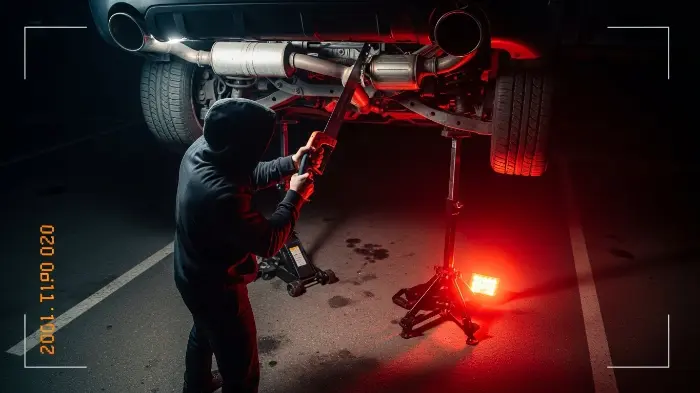
Does liability insurance cover theft specifically the theft of catalytic converters or wheels? The answer to this is always negative no matter what is stolen from vehicles. Liability policies cover theft claims in comprehensive and permanent exclusion.
Catalytic converter theft has risen dramatically over the past few years all over the country. Thieves are looking for these exhaust parts because it contains precious metals. Replacement costs $1000 to $3000 depending on the type of vehicle. Without comprehensive coverage, you end up paying this entire cost yourself personally.
Wheel and tire theft is also a common problem in urban parking areas. Complete wheel sets can run $2,000 or more in order to be replaced rapidly. Comprehensive coverage takes these claims after your deductible gets paid. Liability coverage absolutely does not provide any help for these frustrating situations.
Protecting Against Parts Theft Specifically
Adding comprehensive coverage provides complete protection of all vehicle components from theft. This includes catalytic converters, wheels, batteries and air bags on the inside. Stereo systems and custom modification may require additional endorsements specifically. Discuss special equipment coverage as soon as possible with your insurance agent.
Some insurers will provide affordable business insurance packages that include theft protection. Business vehicle owners need complete coverage even more urgently. Commercial fleets are large investments that require the proper insurance protection at all times.
Does Liability Insurance Cover Theft of Personal Items Inside?
Here comes another distinction important to many car owners that they miss completely. Does liability insurance cover theft in laptops, phones or inside bags? No. But comprehensive auto coverage does not cover these items either.
Personal belongings stolen from your vehicle require another form of insurance completely. Renters insurance or Homeowners insurance for personal property theft is particularly covered. Your auto policy only covers the vehicle and the components that are attached to it. Everything else has to be covered with different types of policies.
🚨 Important Warning:
Your auto insurance will not pay for stolen laptops 💻, cameras 📷, golf clubs ⛳, or other personal items left in your vehicle. You need renters or homeowners insurance 🏠 for these claims. Review your coverage today 📋.
This is surprising for the victims of theft who lose valuable electronics with their vehicles. They make claims in the hope of getting full reimbursement for all that was taken fast. Instead, they learn auto insurance is only for the car specifically. Personal items are covered via separate claims by different insurance policies altogether.
Understanding Actual Cash Value for Stolen Vehicles
When your vehicle goes missing (stolen), comprehensive pays actual cash value. Actual cash value refers to the current market value of the car before it is stolen. This is quite different to what you originally paid for it. Depreciation decreases the value of your vehicle every year and every single year consistently.
ACV calculations take into account the age of your vehicle, the mileage and overall condition of your vehicle. Insurers also check comparable vehicle sales in your local market on a regular basis. They try to figure out what your particular car would sell for today. That amount turns into the amount of your claim payout after the deductible.
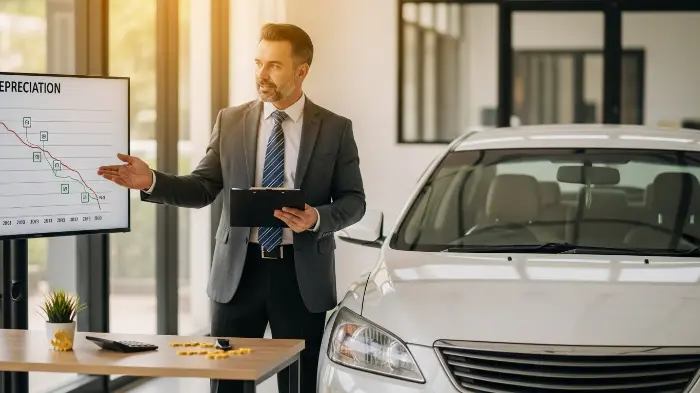
“Actual cash value often shocks car owners expecting original purchase prices. Depreciation hits new cars especially hard during the first few years of ownership.” — Sarah Mitchell, Auto Claims Specialist
For instance, your three year old sedan had an original cost of $25,000 for purchase. Today’s actual cash value may only be equal to $16,000 after depreciation. If someone steals your car, you get 16000 – deductible. This leaves a huge gap if you are still living in a deficit.
Gap Insurance: Critical Protection for Financed Vehicles

Gap insurance is the insurance that covers the difference between the ACV and loan balance amounts. When does liability insurance cover theft matter for financing? It does not. But gap insurance is enormously important for newer financed vehicles specifically.
Many car buyers finance vehicles with less down payment amounts in the first place. Depreciation accelerates the loss in value of vehicles compared with the decrease in value of loans. This leaves a gap between what you can get from your insurance and what you owe. Without gap insurance you pay this difference from your pocket.
Consider a vehicle that was purchased for $35,000 with little or no down payment. After two years you still owe 28,000 to the remaining loan balance of. If stolen, comprehensive pays the ACV of maybe twenty-four thousand today. Gap insurance is insurance for that other $4,000 that you still owe to lenders.
When Gap Insurance Makes the Most Sense
Gap insurance offers best value in the early years of ownership. New cars lose about 20% during the first year alone. Financing terms that go beyond 48 months make gap insurance even more important. Low down payments also mean a higher likelihood of being upside-down.
If you lease vehicles often gap coverage gets included in agreements automatically. Check your lease contract to see that gap protection already exists. Those looking at temporary car insurance should check if comprehensive car insurance is included. Even short term policies should incorporate theft protection if at all possible.
📊 Liability vs. Comprehensive Coverage Comparison
| Coverage Aspect | Liability Only | Comprehensive Added |
|---|---|---|
| Vehicle Theft | ❌ Not Covered | ✅ Covered |
| Stolen Parts | ❌ Not Covered | ✅ Covered |
| Vandalism Damage | ❌ Not Covered | ✅ Covered |
| Fire Damage | ❌ Not Covered | ✅ Covered |
| Damage to Others | ✅ Covered | ✅ Covered |
How Much Does Comprehensive Coverage Actually Cost?
When you add in comprehensive coverage your premium increases moderately every month. The cost of exactly how much is based on a number of factors which are unique to you. Value of vehicle, location, driving history and choice of deductible are all significant. Most drivers find comprehensive a shockingly affordable amount of money when they look to check quotes!
According to the Insurance Information Institute, the cost of average comprehensive coverage is around $168 per year. This comes down to about $14 per month for theft protection. Compared with the loss of a maximum of vehicle, this is exceptional value clearly. Most drivers can totally afford this extra monthly expenditure.
Adding comprehensive coverage predictably increases your car insurance cost. However, there are a number of strategies that can be employed to effectively minimize this premium increase. Increased deductibles, policy bundling and safe driver discounts are all ways to bring down costs. Shop around with a number of insurers to get the best comprehensive coverage rates.
Factors Affecting Your Comprehensive Premium
Location has a lot to do with your comprehensive insurance premium amounts greatly. High-theft areas have significantly higher comprehensive coverage costs all the time. Vehicle type is also important as certain vehicles are more appealing to thieves than others. Luxury and performance vehicles are more expensive to insure completely.
Your claims history affects comprehensive coverage price as well finally. Existing theft claims may raise your premium for several years after the theft occurs. However, comprehensive claims usually affect rates less than collision claims generally. Your premiums are kept as low as possible by keeping your claim free status.
Does Liability Insurance Cover Theft When You Have a Loan?
Lenders for good reason require comprehensive coverage in financed vehicles. Does liability insurance cover theft if the banks have your title? Absolutely not. Banks want to protect their investment by mandating comprehensive coverage all the time.
If you are financing or leasing your vehicle your lender dictates minimum coverage requirements. These requirements always contain comprehensive coverage for theft protection specifically. Failing for required coverage is a violation of your loan agreement terms immediately. There are lenders that will buy expensive forced-place insurance for you automatically.
This requirement is there to protect the lenders from losing their collateral to theft incidents. Without adequate coverage, unpaid loans are left behind from stolen vehicles forever. Lenders would lose money and borrowers would remain fully in debt. The need for comprehensive coverage is required to protect both parties from this negative outcome.
The Complete Stolen Vehicle Claims Process Explained
Filing a theft claim requires following certain steps in order carefully. With this is acting quickly improves your chances of recovery of the vehicle significantly. Claims are properly documented so that they run without unwarranted delays. Here is just what you need to do right now.

Step 1: Contact Police Immediately
Report the theft to local law enforcement, within the hours of being aware of it, if possible. Get a police report number to send to your insurance company for documentation of the crime. Officers will enter your vehicle into databases of stolen vehicles right away. This helps increase the chance for recovery, and proves your case for insurance.
Step 2: Notify Your Insurance Company
Call your insurer right after filing the police report and completely do it. Give all the necessary information such as location, time and circumstances accurately. Ask about rental car coverage whilst your claim is being processed on time. Your adjuster of claims will keep you posted on remaining steps in a careful manner.
📋 Stolen Vehicle Claims Checklist
What Happens During the Claims Investigation?
Insurance companies are careful to investigate theft claims because they do not want to suffer from fraud. Adjusters check your story and check out for inconsistencies anywhere. They go through your policy to ensure that there is a comprehensive coverage in place now. This investigation usually requires several days to complete totally.
Your insurer may request documentation of ownership of the vehicle be clearly provided. Registration, Title and Loan Documents Help prove your legitimate claim Photos of your vehicle before stealing are helpful with ACV determination. Receipts for modifications may raise your final settlement amount potentially.
Waiting Period Before Theft Settlement Payout
Most insurers wait 30 days before official settlement of stolen vehicle claims. This waiting period gives time for possible recovery of the vehicle hopefully. If police recover your vehicle, then the claims process is significantly changed. Recovered vehicles may not need to be fully paid out but rather the damage repaired.
During this waiting time, rental cars insurance become extremely valuable practically. Comprehensive policies frequently contain rental reimbursement for covered claims in particular. Check your policy limits for rental coverage money and length of coverage carefully. This benefit is to help you keep up transportation while you are waiting for your settlement.
“The 30-day waiting period frustrates many policyholders expecting immediate payouts. But vehicle recovery rates remain surprisingly high during the first month after theft.” — James Rodriguez, Senior Claims Investigator
If your vehicle is not recovered for you within 30 days, processing of the settlement begins. Your insurer makes calculations on ACV and makes payments less your deductible. Gap insurance comes in to play if you owe more than ACV currently. The whole process is usually completed within a maximum of 45 days.
Special Considerations for Classic and Specialty Vehicles
Classic car owners have special difficulties insuring for theft in particular. Standard comprehensive coverage may be an inadequate protection for valuable collector vehicles unfortunately. Agreed-value policies provide better protection for rare classic items in particular for automobiles. Understanding classic car insurance in this day and age is becoming very important for collectors.
Agreed-value policies determine what your car is worth at the time of policy creation specifically. Unlike ACV, this value stays the same all throughout your term of your policy completely. If there is theft you are paid the full agreed amount – deductible. This removes the argument of the real market value of your classic car.
Specialty vehicles including custom build require similar coverage considerations carefully. Standard ACV calculations are often very low for highly modified vehicles that are of great significance today. Record all the changes with photographs and receipts to be valued appropriately in future. Consider specialty insurers who have a better understanding of the value of custom vehicles.
Commercial Vehicle Theft Protection Requirements
Business owners operating fleets of vehicles are at risk of theft on a large scale on a daily basis. Does liability insurance cover theft on a commercial vehicle specifically? No. Commercial policies need comprehensive coverage additions as personal policies.
Commercial auto insurance policies should always have complete coverage to insure fleet insurance. Business vehicles are large investments of capital and they need to be insured properly. Fleet theft can disrupt operations and incur significant revenue losses in a short period of time.
Commercial comprehensive coverage provides full coverage for work trucks, vans and specialty vehicles. Tools and equipment permanently mounted to vehicles may receive coverage too. Talk with a commercial insurance company specialist and mention your particular business requirements. Proper coverage protects your business investment from devastating losses of theft.
Motorcycle and Other Vehicle Theft Considerations
Motorcycles are at higher rate of theft than normal automobiles as per statistics. Their smaller size and portability make them an attractive theft target unfortunately. Does liability insurance cover theft for motorcycles specifically? Never. Motorcycle owners need extensive coverage just like car owners.
Motorcycle insurance policies that provide the complete coverage protect from theft entirely. These policies operate in a similar manner to the auto comprehensive coverage structurally. ACV calculations calculate your payout subtracted by the deductible amount of your choice. Specialty bikes may need coverage at agreed value for proper coverage.
Secure storage and anti-theft devices may lower your motorcycle comprehensive premium. GPS trackers result in higher recovery rates and occasionally will receive insurance discounts as well. Discuss anti-theft discounts with your insurance company when you buy your insurance originally. Every dollar saved is an effective offset of comprehensive coverage costs.
Preventing Vehicle Theft and Reducing Risk
While insurance offers financial protection, prevention of theft is better at all times. Simple precautions add a lot to you minimizing your vehicle theft risk right now. Insurance companies even offer premium discounts often for proactive prevention of theft.
- Locking doors and closing windows always when leaving your vehicle unattended at any place.
- Park in well-lit areas with security cameras as much as possible consistently.
- There should be no instances of leaving keys in the ignition or visible in the car.
- Install steering wheel locks or third party alarm systems to discourage.
- Use GPS tracking devices to aid in recovery, in case of theft.
Such prevention strategies are much cheaper than broad coverage increases. They also avoid the hassle and stress of filing claims of theft altogether. Combining the prevention with good insurance provides comprehensive theft protection in the overall picture.
Reviewing Your Current Coverage Today
Now that you know does liability insurance cover theft is no protection, examine your policy immediately. Contact your insurance agent and locate that there is comprehensive coverage in place at the present time. If it does not exist, insert it before the theft happens to you.
Get quotes from several insurance companies to get competitive comprehensive coverage rates. Compare the choices of deductibles and what effect it will have on your monthly premium amounts. Bundling auto insurance with State Farm life insurance or other policies for discounts potentially. Many insurers have substantial multi-policy discounts where there’s a lot of money to be had today.

Your health and dental coverage is also important for overall financial protection entirely. To get a comprehensive insurance alongside auto, consider Humana dental insurance. United Healthcare insurance provides health options that are worth exploring too. Protecting your vehicle and your health results in full financial security in life overall.
Business owners should also consider professional liability insurance for full coverage. Life insurance in the form of term life insurance ensures financial protection of your family. Presenting comprehensive insurance portfolios avoids the risk of gaps in insurance appearing unexpectedly.
Conclusion
Does liability insurance cover theft? The answer is still a definite no in all cases. Liability coverage only pays for damage that you cause to other people’s property. It never secures your own vehicle and personal assets from being stolen.
Comprehensive coverage is the sole means of protection from vehicle theft by insurance. This coverage is used to pay your vehicle’s actual cash value less your chosen deductible. Adding comprehensive will cost around $14 per month for most drivers today. This is a small investment that prevents devastating financial losses in the event of theft.
Gap insurance is imperative if you owe more than the present value of your car. For excellent reasons specifically, lenders require comprehensive coverage on financed vehicles. The understanding of these coverage requirements helps avoid unpleasant surprises in the claims processing later on.
Review your existing policy today and include wide ranging coverage, if you do not already have. Prevention strategies with proper insurance make complete theft protection for you. Never take liability coverage as one which covers your vehicle because does liability insurance cover theft remains false always.
Frequently Asked Questions
No, in no circumstances does liability insurance cover the theft of your property i.e. your own car. Liability only pays for damage that you cause to other people’s property specifically. You have to have comprehensive coverage added to your policy to be covered for theft protection. This extra coverage will cost around $14 per month for most drivers.
Comprehensive coverage costs an average of $168 per year for most drivers. This is equivalent to approximately $14 a month added to your existing premium amounts today. Your particular cost depends upon car worth, location, and preferred deductible dollar number. Higher deductibles have the effect of lowering your monthly premium but raising your expense of claims.
No, insurance compensates actual cash value which is the reflection of actual worth of the item in the market after depreciation. A three-year-old vehicle may only get 60-70% of original purchase price. Gap insurance is used to cover the gap between ACV and remaining loan balance amounts. Look at gap insurance if you’re financing more modern vehicles which have less down payments to make at the start.
No, auto insurance does not cover personal belongings that have been stolen from the inside of your vehicle. Laptops, phones, cameras, and bags require renters/ homeowners insurance coverage in specific. Your auto comprehensive coverage only covers the vehicle and permanently attached components. Comparison of personal property theft in your renters policy or homeowners policy today.
Most insurers wait 30 days for prospective vehicle recovery before finalizing settlement claims. This waiting period gives the police time to locate and return stolen vehicles hopefully. After 30 days, the settling time commences and it usually takes two weeks to complete. The entire claims process normally takes 45 days maximum from initial report.

![Compliant Drivers Program: Is It Legit for Driver Safety? [2025]](https://propinfo.site/wp-content/uploads/2025/12/Compliant-Drivers-Program-150x150.jpg)







Leave a Reply